Local Wine
The region is famous for its viticulture; look for local bodegas to sample wines from the Toledo province.

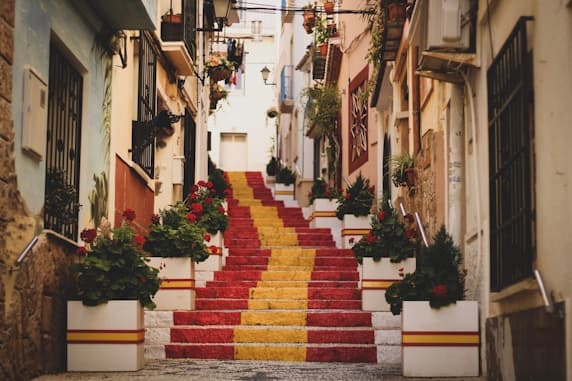

Corral de Almaguer is a quintessential Spanish town situated in the province of Toledo, within the expansive plains of Castille-La Mancha. With a history dating back centuries, the town is characterized by its well-preserved architecture, most notably the 16th-century Church of Nuestra Señora de la Asunción, which showcases Renaissance and Baroque styles. Visitors can wander through quiet streets to discover traditional noble houses and local plazas that reflect the town's storied past. The surrounding landscape is dominated by agriculture, particularly vineyards and olive groves, which are central to the local economy and culture. It serves as an ideal destination for those looking to experience the slow pace of life in central Spain, offering a genuine connection to the traditions of the Manchego region.
Corral de Almaguer is a quintessential Spanish town situated in the province of Toledo, within the expansive plains of Castille-La Mancha. With a history dating back centuries, the town is characterized by its well-preserved architecture, most notably the 16th-century Church of Nuestra Señora de la Asunción, which showcases Renaissance and Baroque styles. Visitors can wander through quiet streets to discover traditional noble houses and local plazas that reflect the town's storied past. The surrounding landscape is dominated by agriculture, particularly vineyards and olive groves, which are central to the local economy and culture. It serves as an ideal destination for those looking to experience the slow pace of life in central Spain, offering a genuine connection to the traditions of the Manchego region.
Historic town center featuring traditional noble houses.
The 16th-century Church of Nuestra Señora de la Asunción.
Surrounded by vast vineyards and olive groves.
A peaceful atmosphere away from major tourist hubs.
Rich cultural heritage rooted in the Toledo province.
Quiet pace of life with limited commercial tourist infrastructure.
Rich architectural heritage with several protected historical buildings.
Proximity to other historic sites within the Castille-La Mancha region.
Strong agricultural identity focused on wine and olive oil production.
The region is famous for its viticulture; look for local bodegas to sample wines from the Toledo province.
The town's historic center is compact and best explored on foot to see the architectural details of the old houses.
History enthusiasts and travelers seeking an authentic rural Spanish experience.
EUR €
$60-$100 p/day
Spanish, English
In keeping with local tradition, many shops and services close during the afternoon hours, typically between 14:00 and 17:00.
Check the local calendar for traditional patron saint festivals, which bring the town to life with music and community events.
April-June, September-October
Mild temperatures and blooming landscapes make this the ideal time for exploring the town and surrounding fields.
Days can be very hot and dry; it is best to plan sightseeing for the early morning or late evening.
The harvest season brings a unique energy to the town as local vineyards begin their work.
The weather is cool and crisp, offering a very quiet and peaceful time to visit historical sites.


