Paper Mill Museum
Visit the Museu de la Molí Paperer to see traditional handmade paper techniques still in use.



Nestled in the Anoia region of Catalonia, Capellades is a town where history feels tangible. It is most famous for the Paper Mill Museum (Museu de la Molí Paperer), which preserves the town's 18th-century status as a leading paper production center. Beyond its industrial roots, the town is home to the Abric Romaní, one of the world's most important Neanderthal archaeological sites. Visitors can wander through its quiet, traditional streets and enjoy the scenic backdrop of the Catalan countryside, offering a much slower pace of life than the nearby coastal cities.
Nestled in the Anoia region of Catalonia, Capellades is a town where history feels tangible. It is most famous for the Paper Mill Museum (Museu de la Molí Paperer), which preserves the town's 18th-century status as a leading paper production center. Beyond its industrial roots, the town is home to the Abric Romaní, one of the world's most important Neanderthal archaeological sites. Visitors can wander through its quiet, traditional streets and enjoy the scenic backdrop of the Catalan countryside, offering a much slower pace of life than the nearby coastal cities.
Home to the renowned Paper Mill Museum of Capellades.
Site of the Abric Romaní, a significant Neanderthal archaeological site.
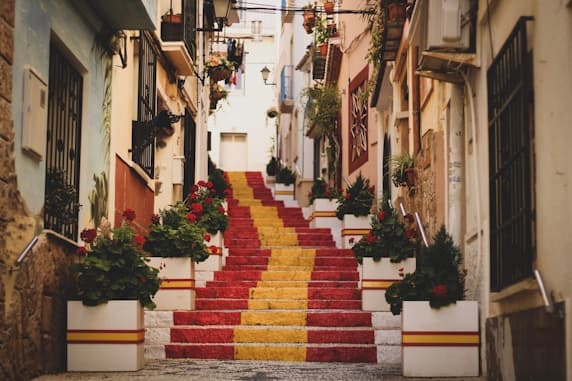
Charming streets reflecting traditional Catalan architecture.
Scenic location within the Anoia river valley.
Small-town pace with limited nightlife compared to Barcelona.
Ideal as a day trip or a quiet base for exploring the Anoia region.
Rich industrial and prehistoric heritage sites are the main attractions.
Visit the Museu de la Molí Paperer to see traditional handmade paper techniques still in use.
Check the opening times for the Abric Romaní archaeological park to learn about prehistoric life in the region.
History enthusiasts and travelers seeking authentic Catalan culture.
EUR €
$70-$120 p/day
Catalan, Spanish, English
If visiting in August, look out for the Festa Major, the town's main traditional celebration.
April-June, September-October
Mild weather is perfect for visiting the archaeological sites and walking through the town.
Warm and sunny; local festivals often take place during this season.
Pleasant temperatures and fewer visitors, ideal for museum tours.
Cooler weather, but a great time to enjoy the indoor museums and local Catalan cuisine.