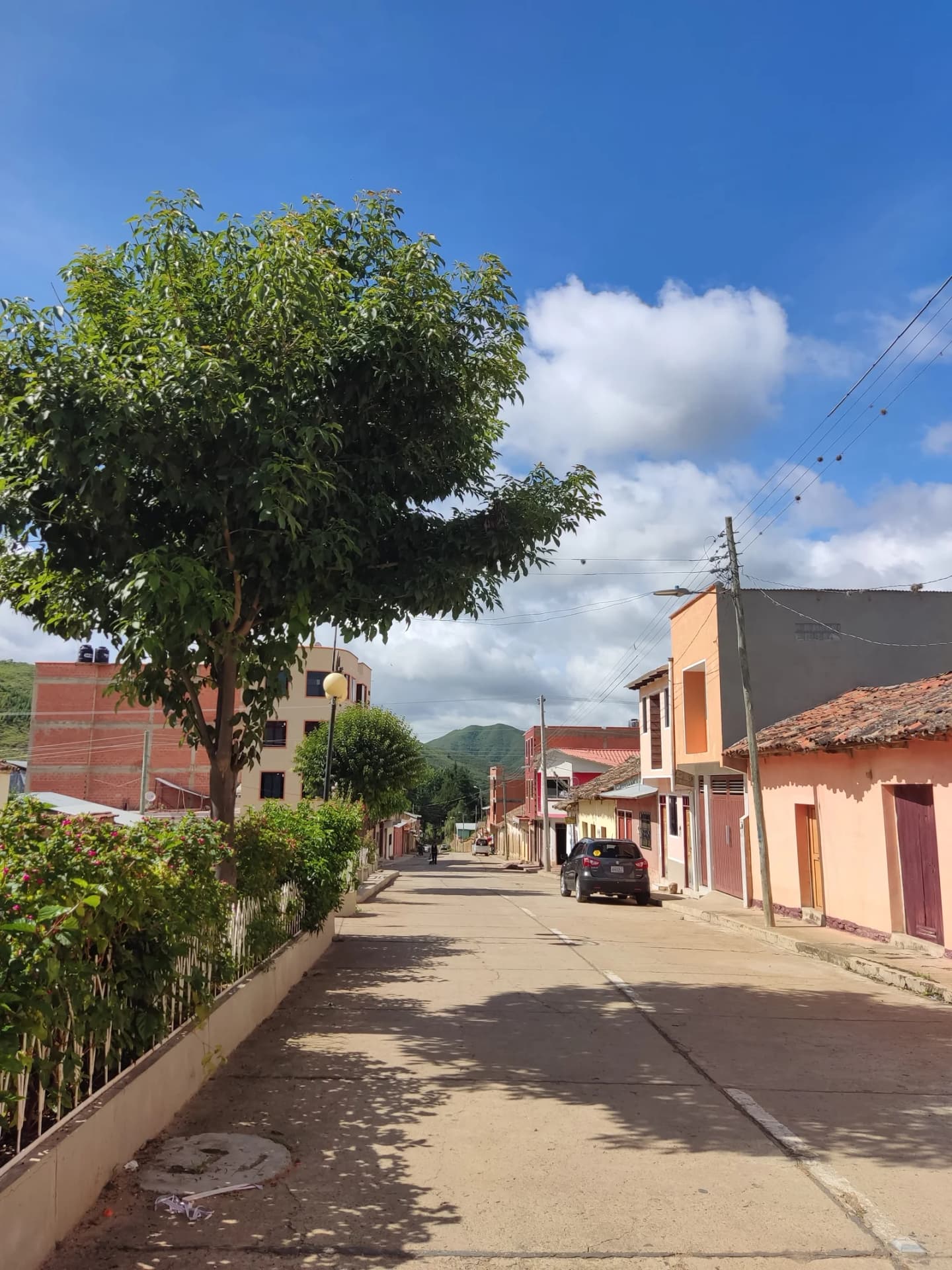


Explore Sucre on Foot
The capital's historic center is best experienced by walking through its white-washed colonial streets.
Located in south-central Bolivia, Chuquisaca Department is the country's historical heart. Its capital, Sucre, is a UNESCO World Heritage site renowned for its pristine white colonial buildings and significant role as the constitutional capital. Beyond the urban charm of Sucre, the region unfolds into diverse landscapes perfect for nature lovers. Visitors can immerse themselves in local traditions through seasonal festivals or explore the surrounding valleys and mountains. It is a destination where South American history meets rugged natural splendor.
Located in south-central Bolivia, Chuquisaca Department is the country's historical heart. Its capital, Sucre, is a UNESCO World Heritage site renowned for its pristine white colonial buildings and significant role as the constitutional capital. Beyond the urban charm of Sucre, the region unfolds into diverse landscapes perfect for nature lovers. Visitors can immerse themselves in local traditions through seasonal festivals or explore the surrounding valleys and mountains. It is a destination where South American history meets rugged natural splendor.
Sucre’s stunning white-washed colonial architecture and UNESCO status.
Rich historical landmarks marking Bolivia's constitutional roots.
Diverse natural landscapes ranging from valleys to rugged mountains.
Vibrant local festivals showcasing traditional Bolivian heritage.
Home to Sucre, a UNESCO World Heritage site with exceptional colonial architecture.
Central location makes it a great hub for exploring southern Bolivia.
Rich indigenous culture with Quechua, Aymara, and Guarani influences.
The capital's historic center is best experienced by walking through its white-washed colonial streets.
Parts of the region are at high altitude; stay hydrated and allow time to acclimatize.
History enthusiasts and travelers seeking colonial charm and natural scenery.
BOB Bs.
$30-$60 p/day
Spanish, Quechua, Aymara
Visit the central markets in Sucre for authentic Bolivian textiles and traditional snacks.
May to October
September to November offers pleasant temperatures and is ideal for outdoor trekking.
December to February is the rainy season; expect lush green landscapes but occasional travel delays.
March to May features clear skies and mild weather, perfect for photography in Sucre.
June to August is dry and sunny during the day, though nights can be quite cold at higher elevations.