Getting Around
Sucre is best explored on foot due to its compact and walkable city center.
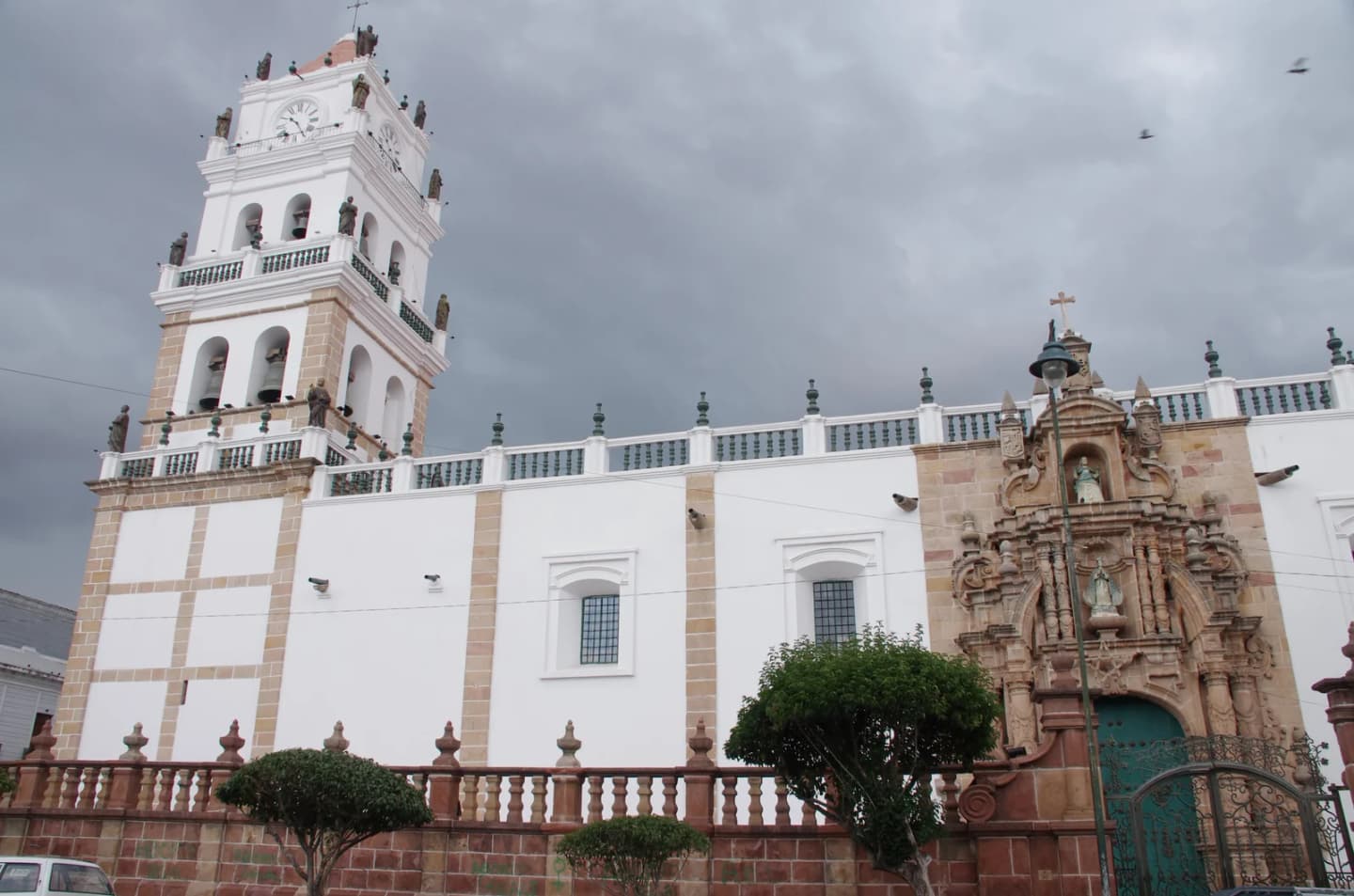
Sucre, often referred to as the 'White City', is Bolivia's de jure capital, located in the Chuquisaca Department. It stands out for its beautifully preserved colonial architecture, earning it a UNESCO World Heritage Site designation. The city is an educational hub and houses the Bolivian Supreme Court. With a subtropical highland climate, Sucre offers cool temperatures throughout the year, making it a comfortable destination for visitors. The city's rich Quechua and Aymara heritage adds depth to its cultural landscape. Despite historical tensions due to the transfer of capital functions to La Paz, Sucre remains a significant cultural and political center.
Sucre, often referred to as the 'White City', is Bolivia's de jure capital, located in the Chuquisaca Department. It stands out for its beautifully preserved colonial architecture, earning it a UNESCO World Heritage Site designation. The city is an educational hub and houses the Bolivian Supreme Court. With a subtropical highland climate, Sucre offers cool temperatures throughout the year, making it a comfortable destination for visitors. The city's rich Quechua and Aymara heritage adds depth to its cultural landscape. Despite historical tensions due to the transfer of capital functions to La Paz, Sucre remains a significant cultural and political center.
UNESCO World Heritage Site for its colonial architecture.
Home to the Bolivian Supreme Court.
Pleasant year-round climate due to high altitude.
Rich Quechua and Aymara cultural influences.
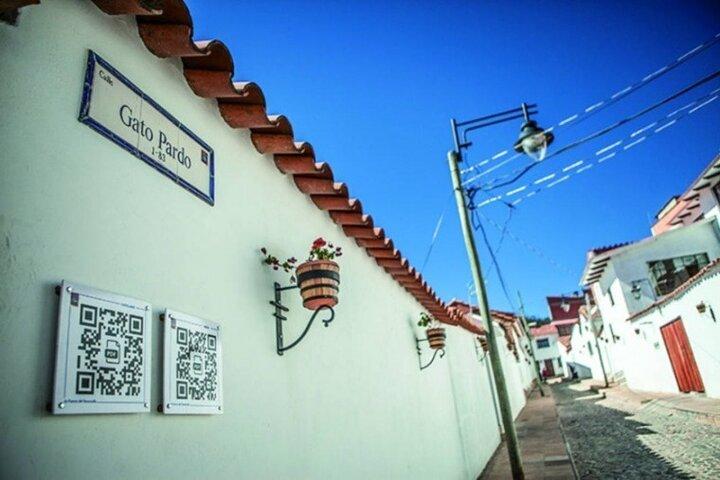
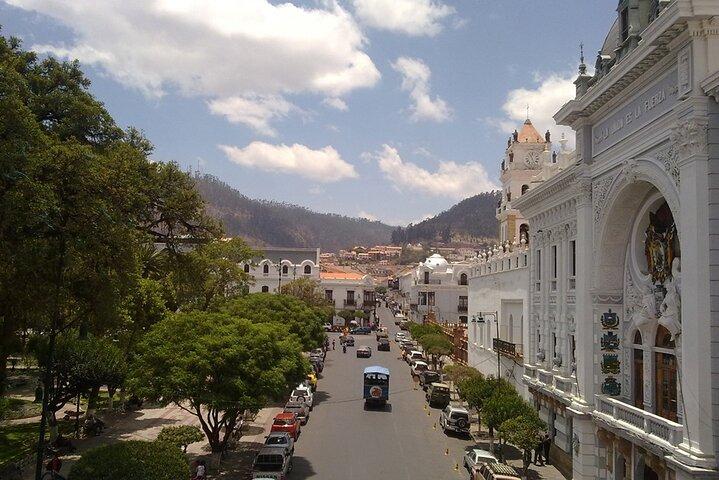
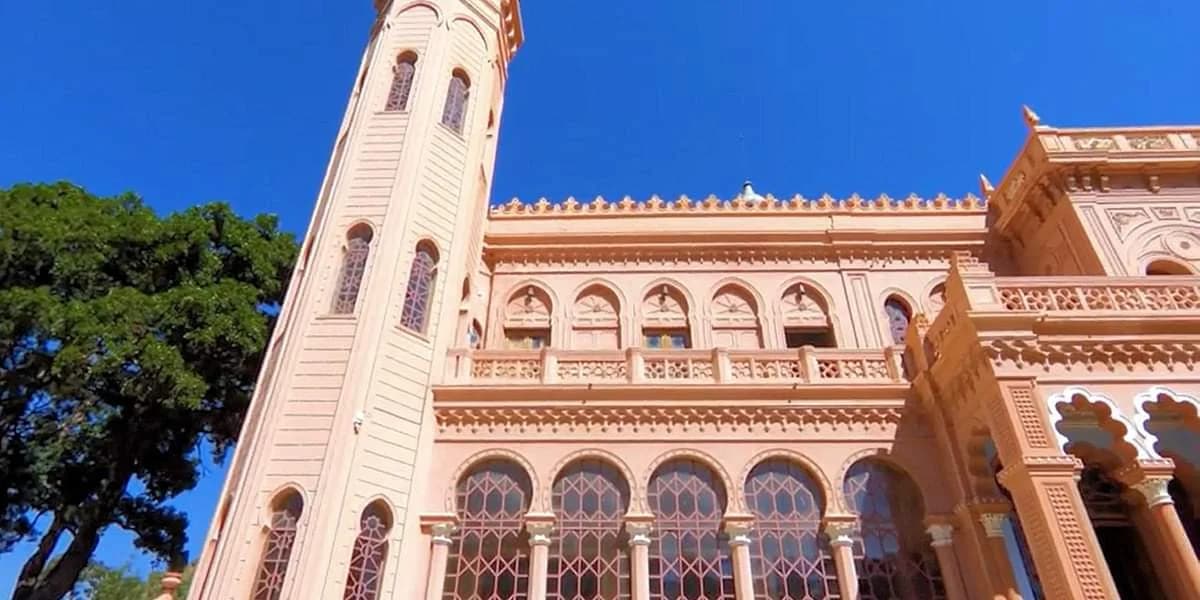
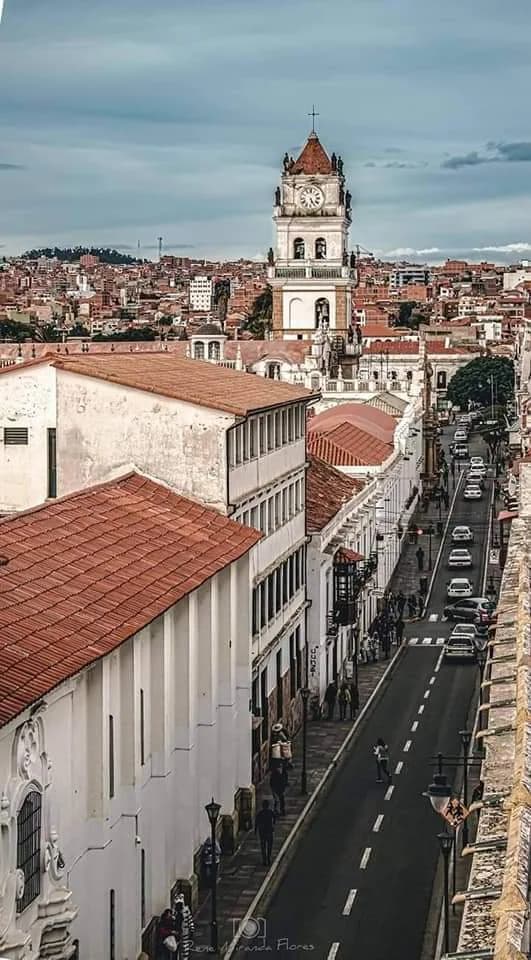
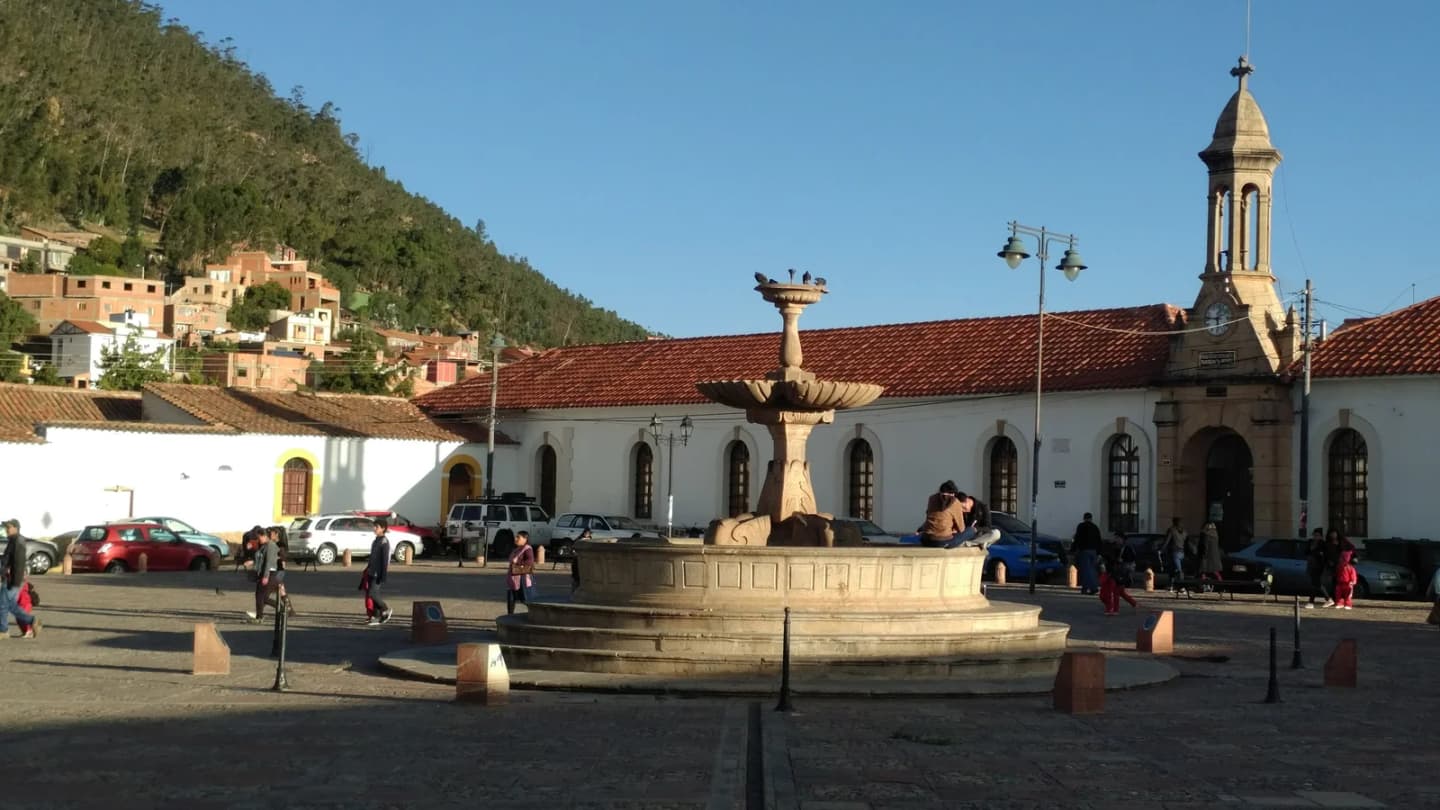
Historic city center with preserved Hispanic colonial buildings.
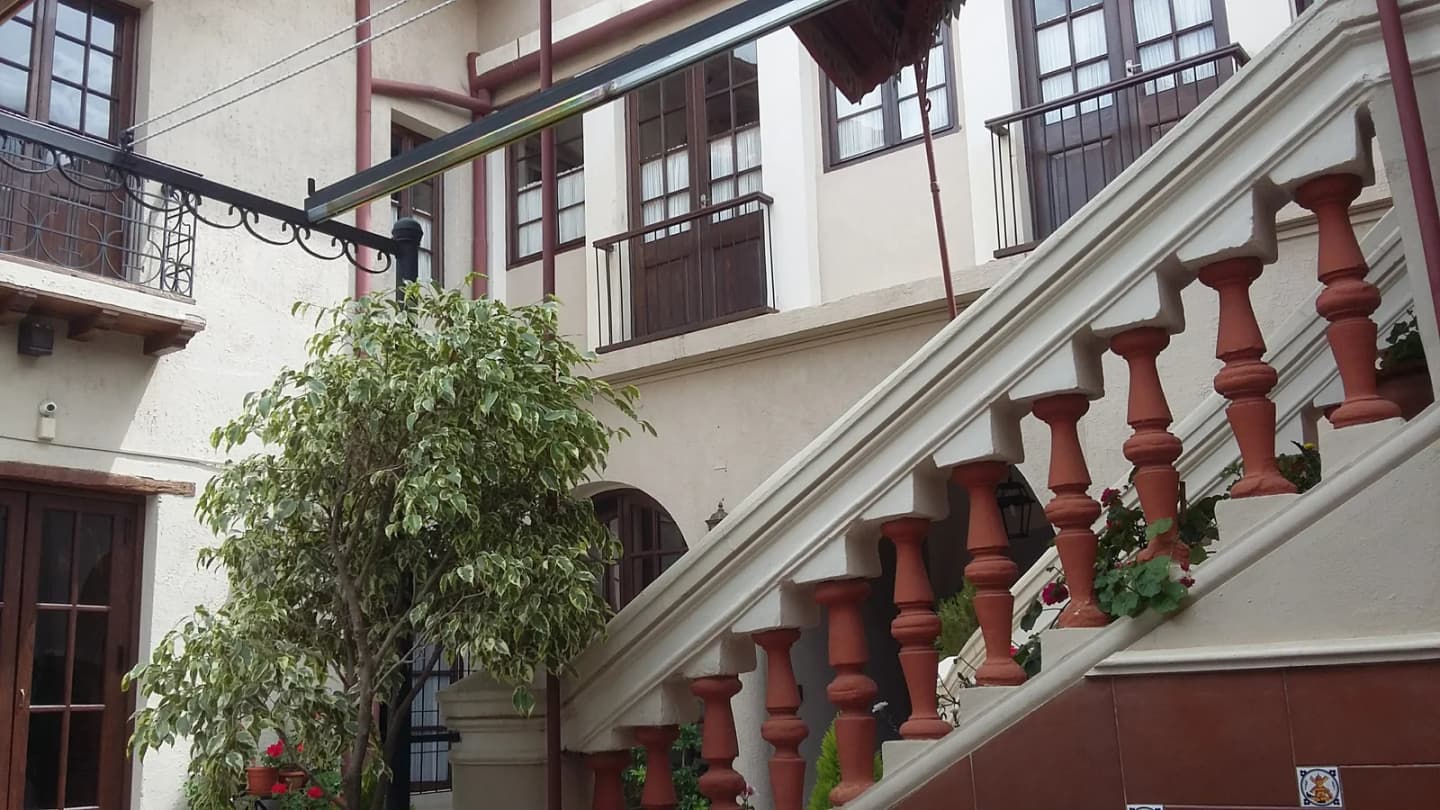
Rich colonial and republican architecture.
Cool, comfortable climate year-round.
Educational and governmental significance.
Predominantly Quechua cultural background.
Sucre is best explored on foot due to its compact and walkable city center.
Try the local specialty, Salteñas, a type of Bolivian empanada.
History enthusiasts and cultural explorers.
BOB Bs
$40-$70 p/day
Spanish, Quechua, Aymara
Respect local customs and traditions, especially in Quechua and Aymara communities.
Pack layers as temperatures can vary significantly throughout the day due to the high altitude.
Cultural Exploration, History Buffs, Architecture Lovers
April-JuneSeptember-November
Spring is a great time to visit Sucre with mild temperatures and vibrant local festivals.
The austral summer offers pleasant weather, ideal for exploring the city's historic sites.
Fall sees fewer tourists, providing a quieter experience of Sucre's cultural offerings.
Winters are cool but manageable, perfect for enjoying the city's indoor attractions and museums.