

Transport Planning
Fluvial transport is the primary way to get around the western part of the state, especially during the rainy season.
Located in the westernmost corner of Brazil, Acre is a state defined by the vast Amazon rainforest and a history shaped by the rubber boom. Its capital, Rio Branco, serves as the primary hub for travelers looking to explore the region's natural beauty and diverse cultural heritage, which blends indigenous traditions with influences from across Brazil. The state's geography relies heavily on its river systems, such as the Juruá and Moa, making fluvial transport a central part of the local experience. Visitors can discover a unique culinary landscape and immerse themselves in a region where the forest and history are deeply intertwined.
Located in the westernmost corner of Brazil, Acre is a state defined by the vast Amazon rainforest and a history shaped by the rubber boom. Its capital, Rio Branco, serves as the primary hub for travelers looking to explore the region's natural beauty and diverse cultural heritage, which blends indigenous traditions with influences from across Brazil. The state's geography relies heavily on its river systems, such as the Juruá and Moa, making fluvial transport a central part of the local experience. Visitors can discover a unique culinary landscape and immerse themselves in a region where the forest and history are deeply intertwined.
Access to the western Amazon rainforest and Amazonia Legal.
Rich history tied to the 20th-century rubber boom.
Diverse regional cuisine blending indigenous and migrant flavors.
Unique fluvial travel experiences along the Juruá and Moa rivers.
Acre is in a remote location with a two-hour time difference from Brasília.
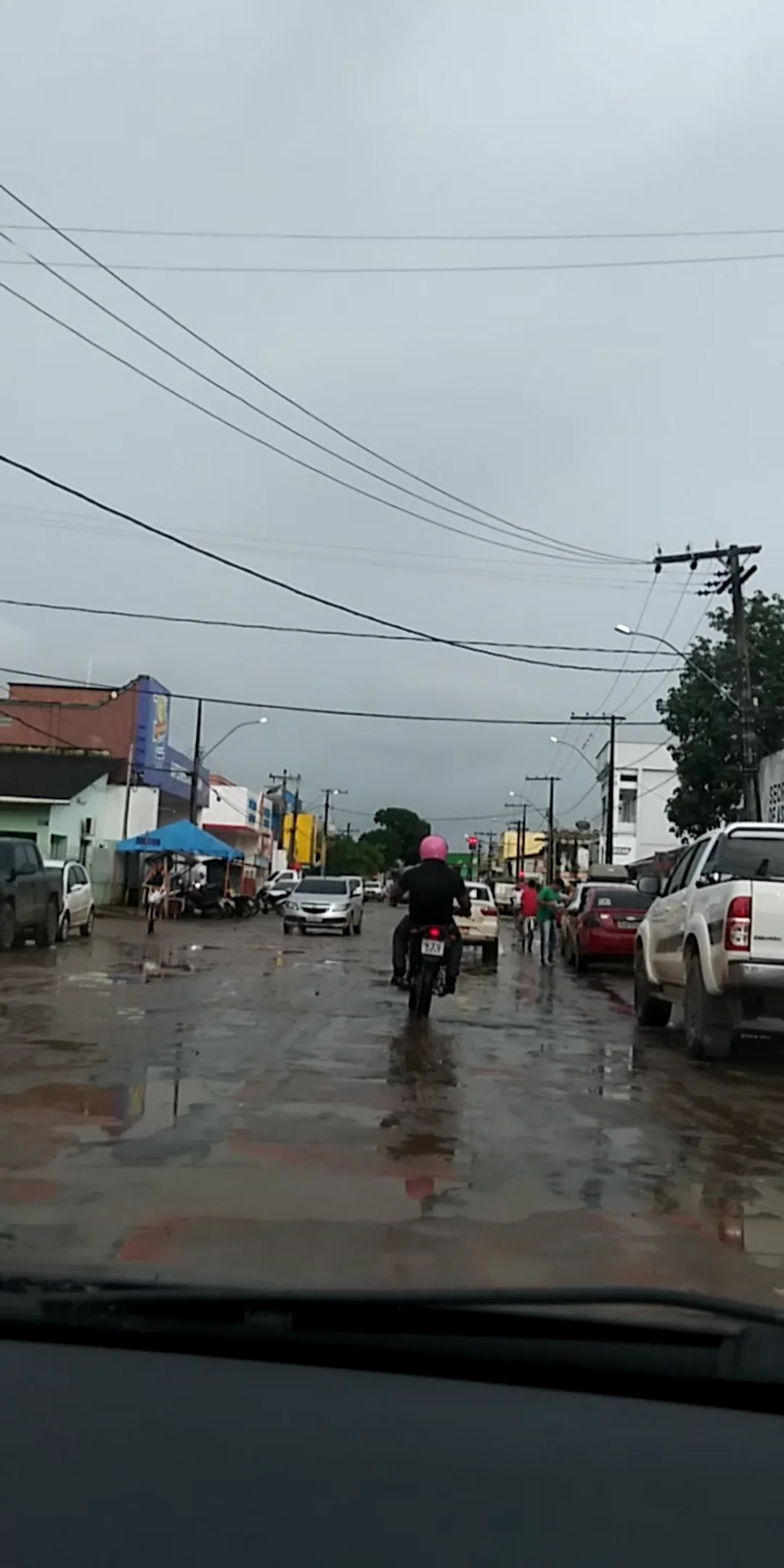
Heavy seasonal rainfall significantly impacts road travel and accessibility across the state.
Infrastructure is limited outside of major hubs like Rio Branco and Cruzeiro do Sul.
Fluvial transport is the primary way to get around the western part of the state, especially during the rainy season.
Be aware that the BR-364 highway can become impassable between November and June due to heavy seasonal rains.
Eco-adventurers and those interested in Amazonian history and indigenous cultures.
BRL R$
Portuguese, English
Try the local cuisine, which is a unique mix of indigenous traditions and influences from migrants who moved here during the rubber boom.
July-October
Transition period with increasing rainfall; prepare for humid conditions and lush green landscapes.
The peak of the rainy season (November-June); fluvial transport is most reliable, but many roads may be impassable.
Rain begins to taper off; the forest remains vibrant and river levels are high.
The drier season; road travel is more reliable, making it the best time to explore the interior by land.


