Getting Around
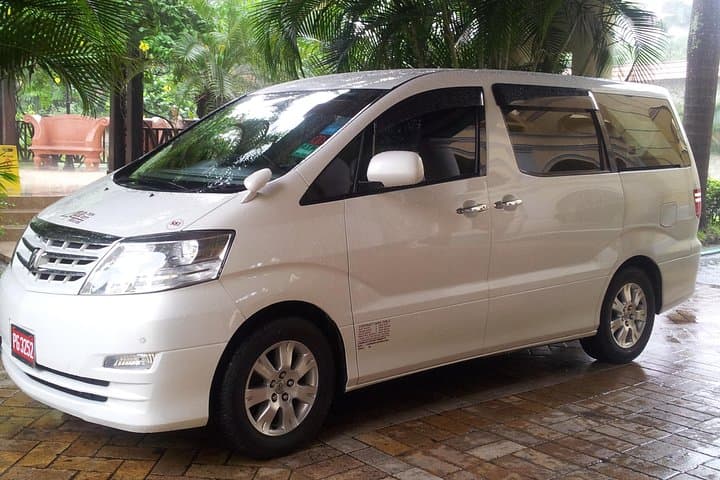
Rio Branco has a basic public transportation system, but renting a car might be more convenient for exploring the city and surrounding areas.
Rio Branco, located in the valley of the Acre River, is the capital city of the state of Acre in northern Brazil. As the most populous municipality in the state, it plays a crucial role in the region's economic, political, and cultural landscape. The city has a rich historical background, being one of the first settlements in the area and the fourth-oldest state capital in Northern Brazil. Its development over the years has made it a central hub for various activities, attracting visitors interested in exploring its cultural heritage and administrative significance.
Rio Branco, located in the valley of the Acre River, is the capital city of the state of Acre in northern Brazil. As the most populous municipality in the state, it plays a crucial role in the region's economic, political, and cultural landscape. The city has a rich historical background, being one of the first settlements in the area and the fourth-oldest state capital in Northern Brazil. Its development over the years has made it a central hub for various activities, attracting visitors interested in exploring its cultural heritage and administrative significance.
Capital of Acre state
Rich historical background
Cultural and political hub
Located in the Acre River valley
Most populous city in Acre
Close access to the Amazon rainforest, offering unique ecological experiences.
Rich cultural heritage with several museums and historical sites.
A growing city with modern amenities and infrastructure.
Rio Branco has a basic public transportation system, but renting a car might be more convenient for exploring the city and surrounding areas.
Try local dishes such as tacacá and maniçoba, which reflect the region's indigenous and Portuguese influences.
Exploring the cultural and historical heart of Acre.
BRL R$
$50-$100 p/day
Portuguese
Visit the Palácio Rio Branco and the Museu da Borracha to learn more about the city's history and rubber industry heritage.
Cultural Exploration, Historical Interest, Administrative Visits
April-JuneSeptember-November
Spring is a pleasant time to visit with mild temperatures and less rain, ideal for outdoor activities.
Summers can be hot and humid, but it's a lively time with local festivals and events.
Fall offers comfortable weather and fewer tourists, perfect for exploring the city's cultural sites.
Winters are mild, making it a good time to visit without the crowds.