Language
Portuguese is the primary language spoken; learning basic phrases will significantly help as English is not common.
Located in the southern reaches of Tocantins, Paranã—historically known as Palma—is a small municipality that embodies the quiet charm of the Brazilian interior. Situated near the Paranã River, the town serves as a local hub for the surrounding agricultural and river-based communities. Visitors can expect a slow pace of life, traditional regional hospitality, and the natural beauty of the Cerrado biome. It is an ideal destination for those exploring the lesser-known paths of central Brazil, offering a stark contrast to the country's bustling coastal hubs.
Located in the southern reaches of Tocantins, Paranã—historically known as Palma—is a small municipality that embodies the quiet charm of the Brazilian interior. Situated near the Paranã River, the town serves as a local hub for the surrounding agricultural and river-based communities. Visitors can expect a slow pace of life, traditional regional hospitality, and the natural beauty of the Cerrado biome. It is an ideal destination for those exploring the lesser-known paths of central Brazil, offering a stark contrast to the country's bustling coastal hubs.
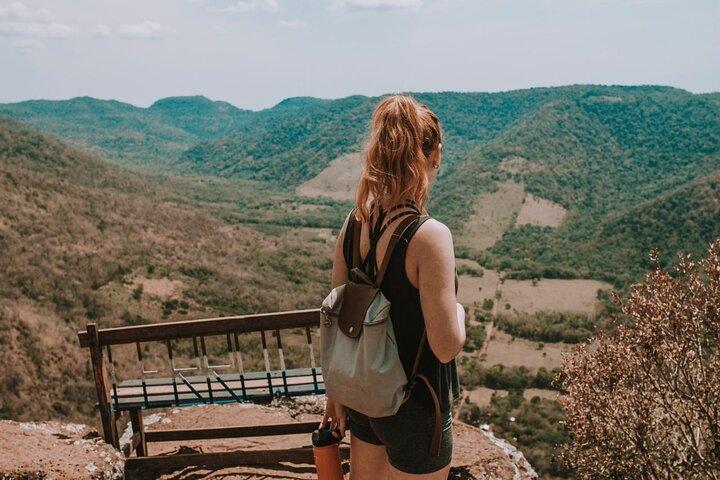
Scenic views of the Paranã River.
Authentic small-town Brazilian atmosphere.
Gateway to the southern Tocantins Cerrado region.
Local cultural traditions and regional hospitality.
Limited tourist infrastructure compared to major Brazilian cities.
Hot and humid tropical climate typical of the Tocantins region.
The town is best suited for travelers looking for an authentic, non-commercial experience.
Proximity to the Paranã River offers opportunities for local fishing and river views.
Portuguese is the primary language spoken; learning basic phrases will significantly help as English is not common.
Public transport is limited; renting a car is recommended for exploring the surrounding region.
Experiencing authentic rural life and river landscapes.
BRL R$
$30-$60 p/day
Portuguese, English
Mobile signal can be spotty in rural areas; download offline maps before traveling.
The town follows a traditional schedule; many shops may close for a few hours during the afternoon heat.
May-September
Expect rising temperatures and the beginning of the rainy season; the landscape becomes lush and green.
This is the peak of the rainy season; expect heavy downpours and humid conditions.
The rains begin to subside, leading into the dry season with pleasant, clear skies.
The dry season (June-August) is the best time for travel, with lower humidity and sunny days.