Language
Portuguese is the primary language; learning basic phrases will greatly help as English is rarely spoken.
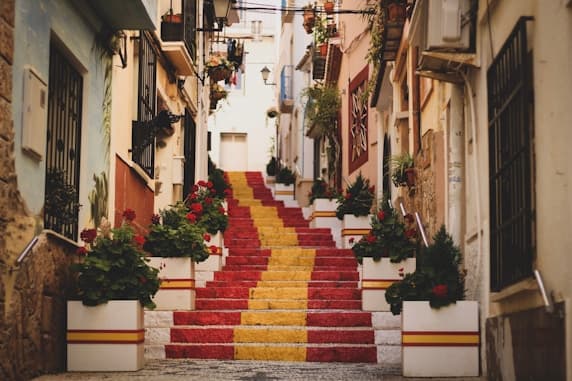
São Miguel do Tocantins is a small municipality situated in the northernmost part of the state of Tocantins, Brazil. Located near the banks of the Tocantins River, the city is part of the geographically distinct Bico do Papagaio region. With a population of around 14,000, it maintains a slow-paced, traditional lifestyle centered around agriculture and the river. While it is not a major tourist hub, it provides a peaceful stop for those traveling through the northern interior of Brazil, offering a chance to see the country's rural heartland and enjoy the natural landscapes of the Tocantins basin.
São Miguel do Tocantins is a small municipality situated in the northernmost part of the state of Tocantins, Brazil. Located near the banks of the Tocantins River, the city is part of the geographically distinct Bico do Papagaio region. With a population of around 14,000, it maintains a slow-paced, traditional lifestyle centered around agriculture and the river. While it is not a major tourist hub, it provides a peaceful stop for those traveling through the northern interior of Brazil, offering a chance to see the country's rural heartland and enjoy the natural landscapes of the Tocantins basin.
Proximity to the scenic Tocantins River.
Gateway to the Bico do Papagaio region.
Authentic small-town Brazilian atmosphere.
Limited hotel and dining options compared to larger cities.
The city is located in a remote part of the state near the Maranhão border.
Seasonal river levels can affect access to local natural spots.
Portuguese is the primary language; learning basic phrases will greatly help as English is rarely spoken.
Prepare for high humidity and temperatures, typical of the northern Brazilian interior.
Experiencing authentic local life in northern Tocantins.
BRL R$
$30-$50 p/day
Portuguese
Regional buses connect the city to larger hubs like Imperatriz, but a car is useful for exploring the surrounding area.
June-September
Expect high heat and the beginning of the rainy season in late spring.
The wettest months; the landscape is lush but travel on unpaved roads can be difficult.
The rains begin to subside, leading into the drier and more accessible months.
The best time to visit, with lower humidity and the appearance of seasonal river beaches.