Getting Around
Ecuador has an extensive bus network connecting major cities and towns.
Ecuador, officially the Republic of Ecuador, is a country in northwestern South America bordered by Colombia, Peru, and the Pacific Ocean. Known for the Galápagos Islands, it offers a unique ecological heritage with many endemic species. The capital, Quito, and the largest city, Guayaquil, reflect a blend of indigenous and colonial influences. Ecuador's diverse population includes mestizos, Europeans, Native Americans, and others, contributing to its vibrant cultural tapestry. Spanish is the official language, with several indigenous languages also recognized. The country's economy relies on exports like petroleum and agricultural products, and it is a member of various international organizations.
Ecuador, officially the Republic of Ecuador, is a country in northwestern South America bordered by Colombia, Peru, and the Pacific Ocean. Known for the Galápagos Islands, it offers a unique ecological heritage with many endemic species. The capital, Quito, and the largest city, Guayaquil, reflect a blend of indigenous and colonial influences. Ecuador's diverse population includes mestizos, Europeans, Native Americans, and others, contributing to its vibrant cultural tapestry. Spanish is the official language, with several indigenous languages also recognized. The country's economy relies on exports like petroleum and agricultural products, and it is a member of various international organizations.
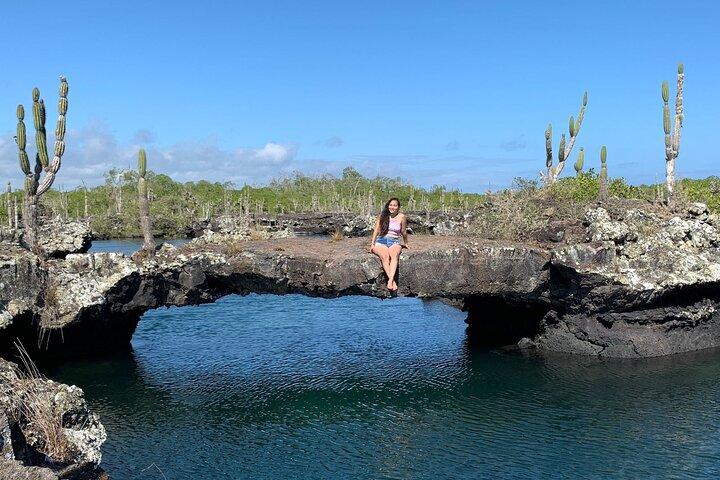
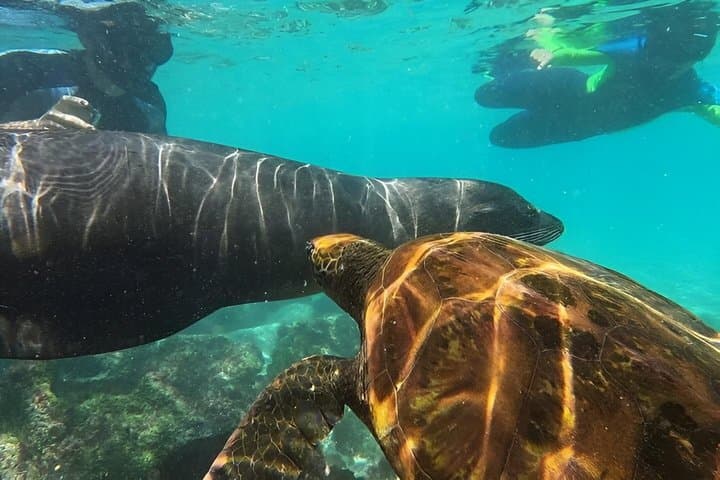
Home to the unique Galápagos Islands.
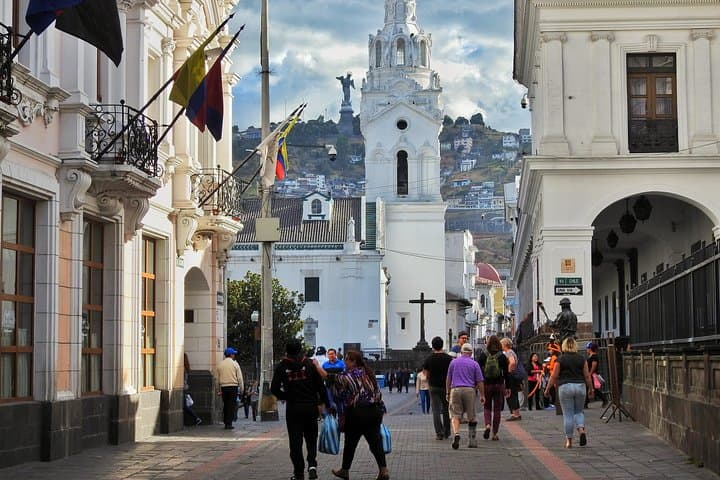
Rich indigenous and colonial history.
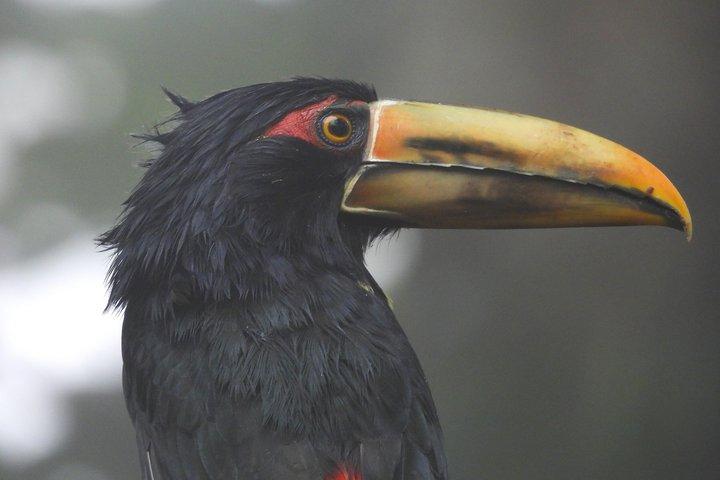
Diverse ecosystems and wildlife.
Culturally vibrant cities like Quito and Guayaquil.
Close access to the Galápagos Islands, ideal for wildlife enthusiasts.
Rich cultural heritage with indigenous influences and colonial architecture.
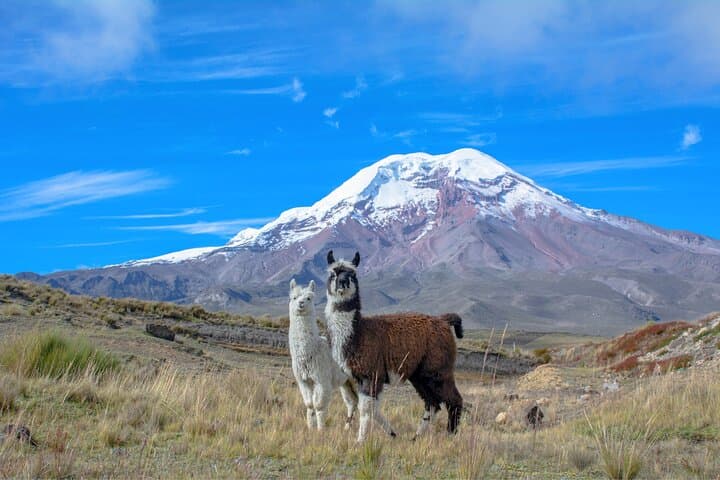
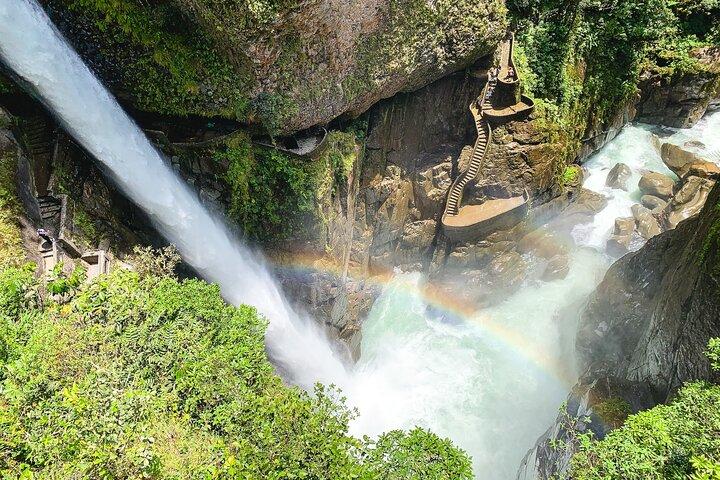
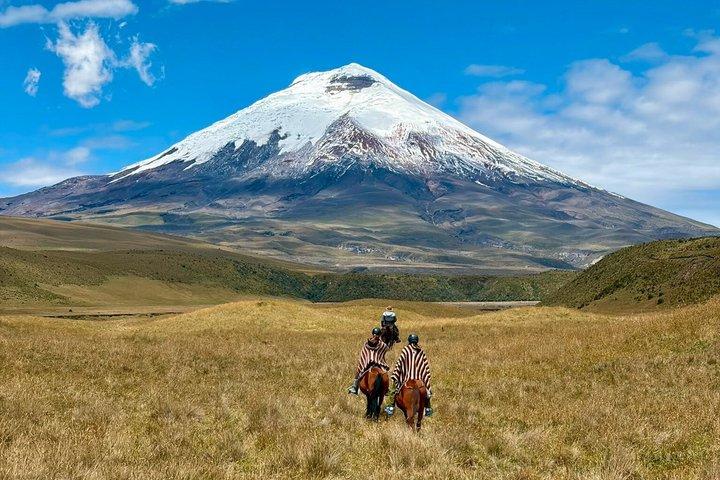
Diverse ecosystems ranging from Amazon rainforest to Andean highlands.
Ecuador has an extensive bus network connecting major cities and towns.
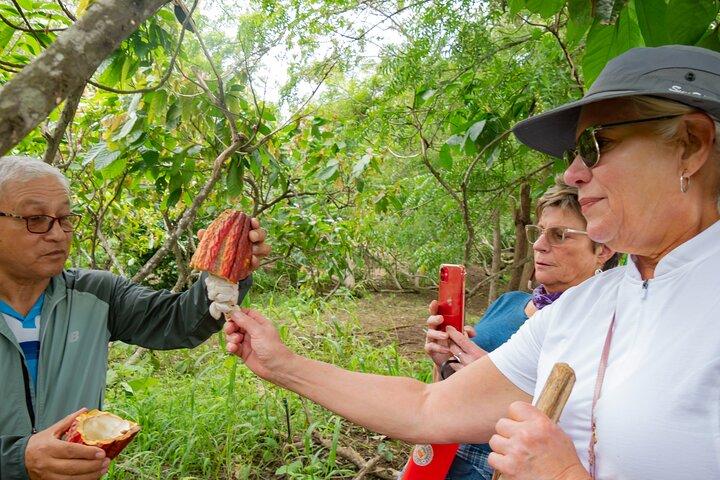
Try traditional dishes like ceviche and llapingachos for an authentic taste of Ecuador.
Nature enthusiasts and cultural explorers.
USD $
$50-$100 p/day
Spanish, Quechua, Shuar
Be cautious in crowded areas to avoid pickpocketing, especially in larger cities.
The climate varies greatly; pack accordingly for both coastal and highland regions.
April-JuneSeptember-November
Spring is a great time to visit with pleasant weather and fewer tourists.
Summers can be warm and humid, especially in coastal areas.
Fall offers mild temperatures and is ideal for exploring the Andes.
Winter is cooler, particularly in the highlands, but still a good time for cultural visits.